
Whole foods are defined as foods that are minimally processed and free from artificial substances. They include fruits, vegetables, whole grains, nuts, seeds, and legumes. These foods are typically in their natural state or have undergone minimal processing, such as washing, cutting, or cooking.
The emphasis on whole foods lies in their nutrient density and the presence of essential vitamins, minerals, and fiber that contribute to overall health. For instance, an apple is a whole food that provides dietary fiber, vitamin C, and various phytonutrients that support bodily functions. In contrast, processed foods are those that have been altered from their original form through methods such as canning, freezing, or adding preservatives and flavor enhancers.
This category encompasses a wide range of products, from frozen dinners to snack foods and sugary beverages. While some processed foods can be fortified with vitamins and minerals, many are stripped of their nutritional value during processing. For example, white bread is made from refined flour that has had the bran and germ removed, resulting in a product that lacks the fiber and nutrients found in whole grain bread.
Understanding the distinction between these two categories is crucial for making informed dietary choices.
Key Takeaways
- Whole foods are minimally processed and contain natural nutrients, while processed foods are altered from their original state and often contain added ingredients.
- Whole foods are rich in essential nutrients such as vitamins, minerals, and fiber, which are beneficial for overall health and well-being.
- Processed foods often contain high levels of added sugars, unhealthy fats, and artificial ingredients, which can have negative effects on health if consumed in excess.
- Consuming whole foods can have a positive impact on overall health, including improved digestion, better weight management, and reduced risk of chronic diseases.
- Choosing whole foods over processed foods can lead to long-term health benefits, including better disease prevention and improved overall well-being.
Nutritional Value of Whole Foods
Whole foods are celebrated for their high nutritional value. They are rich in essential nutrients such as vitamins A, C, E, and K, as well as B vitamins like folate and riboflavin. Additionally, whole foods provide a wealth of minerals including potassium, magnesium, and calcium.
The fiber content in whole foods is particularly noteworthy; it aids in digestion and helps maintain a healthy gut microbiome. For example, a serving of quinoa not only offers protein but also provides significant amounts of fiber and various micronutrients that support metabolic health. Moreover, whole foods contain a variety of phytochemicals—bioactive compounds found in plants that have been shown to have health-promoting properties.
These include antioxidants that combat oxidative stress and inflammation in the body. Berries, for instance, are packed with anthocyanins, which have been linked to improved heart health and cognitive function. The synergistic effect of these nutrients working together in whole foods enhances their overall health benefits, making them a cornerstone of a balanced diet.
Nutritional Value of Processed Foods

The nutritional value of processed foods can vary significantly depending on the type and extent of processing involved. Some processed foods retain a portion of their nutrients; for example, frozen vegetables can be just as nutritious as fresh ones if they are flash-frozen shortly after harvest. However, many processed foods are high in added sugars, unhealthy fats, and sodium while being low in essential nutrients.
For instance, sugary cereals often contain refined grains and added sugars but lack the fiber and vitamins found in whole grains. Additionally, many processed foods contain artificial additives such as preservatives, colorings, and flavor enhancers that do not contribute to nutritional value. These additives can sometimes lead to adverse health effects when consumed in large quantities over time.
For example, trans fats found in some processed snacks have been linked to an increased risk of heart disease. The challenge lies in discerning which processed foods can fit into a healthy diet and which should be avoided due to their detrimental health impacts.
Impact on Overall Health
| Factor | Impact on Overall Health |
|---|---|
| Diet | Significant impact on overall health, including weight, energy levels, and disease risk. |
| Physical Activity | Regular exercise can improve cardiovascular health, mental well-being, and overall physical fitness. |
| Sleep | Quality and quantity of sleep can affect mood, cognitive function, and immune system. |
| Stress | Chronic stress can contribute to various health issues, including heart disease, obesity, and depression. |
| Substance Use | Alcohol, tobacco, and drug use can have detrimental effects on overall health and well-being. |
The impact of whole versus processed foods on overall health is profound. Diets rich in whole foods have been associated with lower risks of chronic diseases such as obesity, diabetes, cardiovascular disease, and certain cancers. A study published in the journal “Nutrients” found that individuals who consumed higher amounts of whole foods had better metabolic profiles and lower levels of inflammation compared to those who relied heavily on processed foods.
This correlation underscores the importance of prioritizing whole foods for long-term health. Conversely, diets high in processed foods have been linked to various health issues. The excessive consumption of added sugars and unhealthy fats found in many processed items can lead to weight gain and metabolic disorders.
Research indicates that individuals who consume a diet high in ultra-processed foods are at a greater risk for developing conditions such as hypertension and type 2 diabetes. The cumulative effect of these dietary choices can significantly impact an individual’s quality of life and longevity.
Digestive Health
Whole foods play a crucial role in promoting digestive health due to their high fiber content. Fiber is essential for maintaining regular bowel movements and preventing constipation. Foods such as beans, lentils, fruits, and vegetables provide both soluble and insoluble fiber, which work together to support gut health.
Soluble fiber helps to regulate blood sugar levels and lower cholesterol, while insoluble fiber adds bulk to stool and aids in its passage through the digestive tract. On the other hand, many processed foods lack sufficient fiber due to the refining process they undergo. For example, white rice has significantly less fiber than brown rice because the bran is removed during processing.
A diet low in fiber can lead to digestive issues such as constipation and an imbalance in gut bacteria. Furthermore, research has shown that a healthy gut microbiome—supported by a diet rich in whole foods—can enhance immune function and reduce the risk of gastrointestinal diseases.
Weight Management
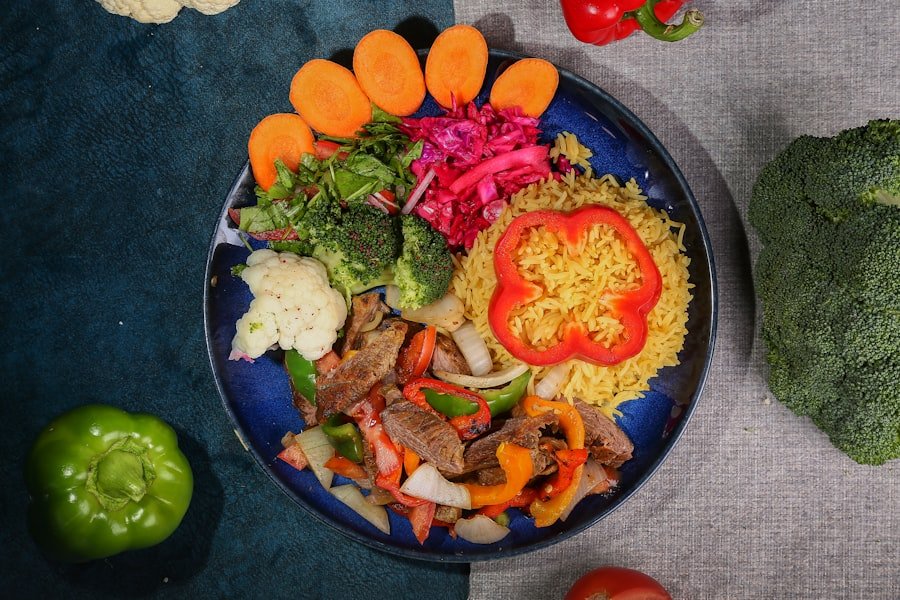
When it comes to weight management, whole foods offer distinct advantages over processed options. Whole foods tend to be more satiating due to their higher fiber content and nutrient density. This means that individuals consuming whole foods may feel fuller for longer periods, reducing the likelihood of overeating or snacking on unhealthy options.
For instance, a bowl of oatmeal topped with fresh fruit provides sustained energy and satisfaction compared to a sugary granola bar that may lead to a quick spike in blood sugar followed by a crash. Processed foods often contain high levels of added sugars and unhealthy fats that can contribute to weight gain. These ingredients not only add empty calories but also disrupt normal hunger signals.
Research has shown that individuals who consume high amounts of ultra-processed foods are more likely to experience weight gain over time compared to those who focus on whole food options. By prioritizing whole foods in one’s diet, individuals can create a more balanced approach to eating that supports healthy weight management.
Disease Prevention
The role of whole foods in disease prevention cannot be overstated. Numerous studies have demonstrated that diets rich in fruits, vegetables, whole grains, nuts, and seeds are associated with a reduced risk of chronic diseases. For example, the Mediterranean diet—a dietary pattern emphasizing whole foods—has been linked to lower rates of heart disease and stroke due to its high content of antioxidants and healthy fats from sources like olive oil and fish.
In contrast, diets high in processed foods have been associated with an increased risk of various diseases. The consumption of processed meats has been linked to higher rates of colorectal cancer, while sugary beverages are strongly correlated with obesity and type 2 diabetes. The inflammatory properties often found in processed foods can also contribute to the development of chronic conditions over time.
By choosing whole foods over processed options, individuals can take proactive steps toward reducing their risk of disease.
Long-Term Health Benefits
The long-term health benefits of incorporating whole foods into one’s diet are substantial. Research indicates that individuals who consistently consume a diet rich in whole foods tend to enjoy better overall health outcomes as they age. This includes not only a lower risk of chronic diseases but also improved cognitive function and mental well-being.
Nutrient-dense whole foods provide the vitamins and minerals necessary for maintaining brain health and reducing the risk of neurodegenerative diseases such as Alzheimer’s. Furthermore, adopting a whole food-based diet can lead to improved longevity. Studies have shown that populations with diets high in plant-based whole foods tend to live longer and healthier lives compared to those with diets high in processed foods.
The combination of essential nutrients found in whole foods supports bodily functions at every stage of life—from childhood development to aging adults—highlighting the importance of making informed dietary choices for long-term health benefits.
FAQs
What are whole foods?
Whole foods are foods that are in their natural state, unprocessed and unrefined. They are typically fresh, uncooked, and free from additives and preservatives.
What are processed foods?
Processed foods are foods that have been altered from their natural state through methods such as cooking, canning, freezing, or adding preservatives, flavorings, or other ingredients.
What are the benefits of eating whole foods?
Eating whole foods provides essential nutrients such as vitamins, minerals, and fiber in their natural form. Whole foods are also generally lower in added sugars, sodium, and unhealthy fats compared to processed foods.
What are the benefits of eating processed foods?
Processed foods often have a longer shelf life and are more convenient to prepare and consume. However, they may contain higher levels of added sugars, sodium, and unhealthy fats, and may be lower in essential nutrients compared to whole foods.
How do whole foods contribute to a healthy diet?
Whole foods provide a wide range of nutrients that are essential for overall health and well-being. They can help reduce the risk of chronic diseases such as heart disease, diabetes, and obesity.
How do processed foods impact health?
Consuming a diet high in processed foods has been linked to an increased risk of obesity, heart disease, diabetes, and other health problems. Processed foods are often high in added sugars, sodium, and unhealthy fats, which can have negative effects on health.
What are some examples of whole foods?
Examples of whole foods include fruits, vegetables, whole grains, legumes, nuts, seeds, and lean proteins such as fish and poultry.
What are some examples of processed foods?
Examples of processed foods include packaged snacks, sugary cereals, deli meats, canned soups, and frozen meals. These foods often contain added sugars, sodium, and unhealthy fats.
Related Posts

Exploring Plant-Based Proteins: Options and Benefits
In recent years, the popularity of plant-based proteins has surged…

What to Serve With Chicken Wings: The Ultimate Guide to Perfect Pairings
Chicken wings are a crowd-pleasing favorite, whether you’re hosting a…

How to Make Your Favorite Junk Foods Healthy at Home
Junk food rocks your taste buds, gives you that comfy…