
The history of Mexican cuisine is a rich tapestry woven from the threads of ancient civilizations, colonial influences, and modern innovations. The roots of this culinary tradition can be traced back to the indigenous peoples of Mesoamerica, particularly the Aztecs and Mayans, who cultivated staple crops such as maize, beans, and squash. These ingredients formed the backbone of their diet and were often prepared using techniques that have endured through the centuries.
For instance, the process of nixtamalization, which involves soaking and cooking corn in an alkaline solution, was developed by these early cultures to enhance the nutritional value of maize and improve its flavor. This technique is still fundamental in the preparation of tortillas, tamales, and other traditional dishes. As Mexico underwent significant changes following the arrival of Spanish colonizers in the 16th century, its culinary landscape evolved dramatically.
The Spanish introduced new ingredients such as rice, wheat, pork, and various spices, which were integrated into existing indigenous recipes. This fusion of flavors and techniques gave rise to a unique culinary identity that reflects both the indigenous heritage and the colonial influence. Over time, regional variations emerged as local ingredients and customs shaped the way food was prepared and consumed across different parts of the country.
The result is a vibrant cuisine that celebrates diversity while maintaining a deep connection to its historical roots.
Key Takeaways
- Mexican cuisine has a rich history dating back to pre-Columbian times, with influences from indigenous, Spanish, and other cultures.
- The regional flavors of Mexico vary widely, from the spicy and complex dishes of Oaxaca to the seafood-centric cuisine of the Yucatán Peninsula.
- Traditional Mexican ingredients like corn, beans, and chilies, along with cooking techniques such as grinding and roasting, are essential to the country’s culinary heritage.
- Indigenous and Spanish cultures have both left a lasting impact on Mexican cuisine, with dishes like mole and tamales showcasing this fusion of influences.
- Street food and market finds offer a vibrant and diverse culinary experience, with options ranging from tacos and tamales to fresh fruits and vegetables.
Exploring the Regional Flavors of Mexico
Mexico’s vast geography and diverse climate contribute to a wide array of regional flavors that define its culinary landscape. Each region boasts its own unique ingredients, cooking methods, and traditional dishes that reflect local customs and agricultural practices. For example, in the coastal regions of Veracruz and Oaxaca, seafood plays a prominent role in the diet, with dishes like ceviche and fish tacos showcasing the freshness of the ocean.
The use of tropical fruits such as mangoes and pineapples also adds a distinct sweetness to many coastal recipes. In contrast, the central highlands are known for their hearty fare, with dishes like mole poblano and chiles en nogada taking center stage. Mole, a complex sauce made from a blend of chiles, spices, chocolate, and nuts, exemplifies the depth of flavor that characterizes central Mexican cuisine.
Meanwhile, the northern states are famous for their meat-centric dishes, particularly beef and goat, often prepared in barbacoa style or as carne asada. Each region not only highlights its local ingredients but also tells a story of cultural influences and historical significance that have shaped its culinary practices over generations.
Traditional Mexican Ingredients and Cooking Techniques
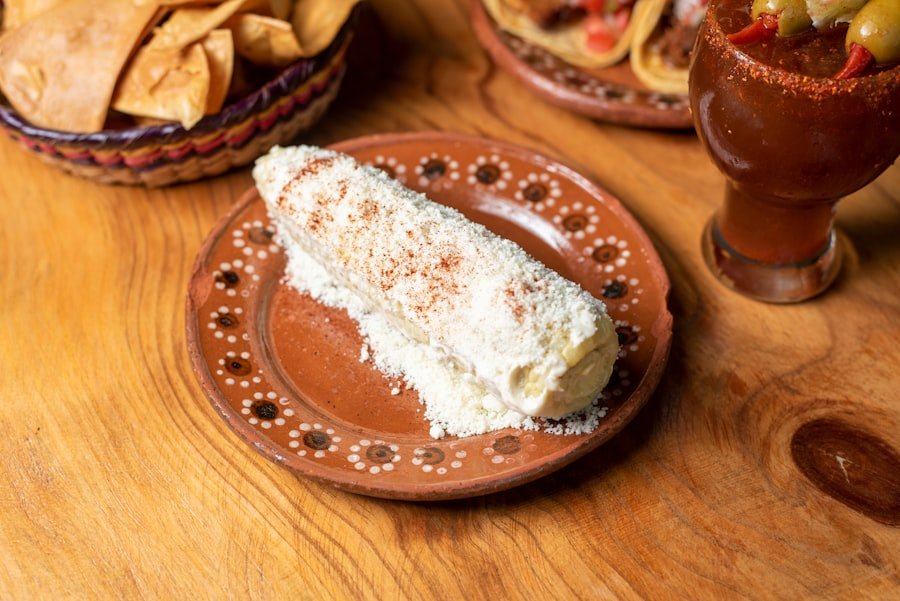
At the heart of Mexican cuisine lies a selection of traditional ingredients that are essential for creating authentic flavors. Corn is perhaps the most iconic ingredient, serving as the foundation for countless dishes. Beyond tortillas, corn is used in tamales, pozole, and even beverages like atole.
Beans are another staple, providing protein and fiber while complementing many meals. Varieties such as black beans, pinto beans, and kidney beans are commonly used in different regions. Chiles are also integral to Mexican cooking, offering a spectrum of heat and flavor profiles.
From the smoky chipotle to the fruity poblano, each type of chile contributes its unique character to salsas, sauces, and marinades. Additionally, herbs like cilantro and epazote add freshness and complexity to dishes. Cooking techniques such as roasting, frying, and steaming are employed to enhance these ingredients’ natural flavors.
The use of comales (flat griddles) for cooking tortillas or the traditional molcajete (stone mortar) for grinding spices exemplifies how age-old methods continue to play a vital role in contemporary Mexican kitchens.
The Influence of Indigenous and Spanish Cultures on Mexican Cuisine
| Aspect | Indigenous Influence | Spanish Influence |
|---|---|---|
| Ingredients | Corn, beans, chili peppers, tomatoes, avocado | Wheat, rice, sugar, citrus fruits, dairy products |
| Cooking Techniques | Nixtamalization, grinding, steaming, grilling | Frying, baking, stewing, sautéing |
| Flavors | Spicy, earthy, herbal | Rich, savory, sweet |
| Dishes | Tamales, pozole, mole, salsas | Tacos, enchiladas, chiles rellenos, flan |
The interplay between indigenous and Spanish cultures has profoundly shaped Mexican cuisine, creating a culinary landscape that is both diverse and harmonious. Indigenous peoples brought with them a wealth of knowledge about agriculture, food preparation, and flavor combinations that laid the groundwork for what would become modern Mexican cooking. Their use of native ingredients such as maize, beans, tomatoes, avocados, and various herbs established a foundation that remains central to Mexican cuisine today.
The arrival of Spanish colonizers introduced new ingredients and cooking techniques that further enriched this culinary tradition. Ingredients like garlic, onions, olives, and various meats were incorporated into indigenous recipes, leading to innovative dishes that blended flavors from both cultures. For instance, the Spanish influence is evident in dishes like enchiladas and tamales filled with meats or cheeses rather than solely relying on plant-based ingredients.
This fusion not only reflects a melding of culinary practices but also symbolizes the broader cultural exchange that occurred during this period.
Street Food and Market Finds: A Culinary Exploration
Street food is an integral part of Mexico’s culinary identity, offering an authentic taste of local flavors in a casual setting. From bustling markets to vibrant street corners, vendors serve up an array of delicious options that showcase regional specialties. Tacos al pastor, made with marinated pork cooked on a vertical spit and served with pineapple, cilantro, and onions on corn tortillas, exemplify the creativity found in street food culture.
These handheld delights are often enjoyed with a squeeze of lime and a dash of salsa for an explosion of flavor. Markets across Mexico are treasure troves for food enthusiasts seeking to explore local ingredients and traditional dishes. In places like Mercado de la Merced in Mexico City or Mercado 28 in Cancun, visitors can find everything from fresh produce to artisanal cheeses and handmade tortillas.
Sampling local delicacies such as elote (grilled corn on the cob slathered in mayonnaise and cheese) or churros dusted with sugar provides an immersive experience into Mexico’s culinary heritage. These markets not only serve as places to eat but also as social hubs where communities gather to celebrate food and culture.
Authentic Mexican Beverages: From Agua Frescas to Mezcal
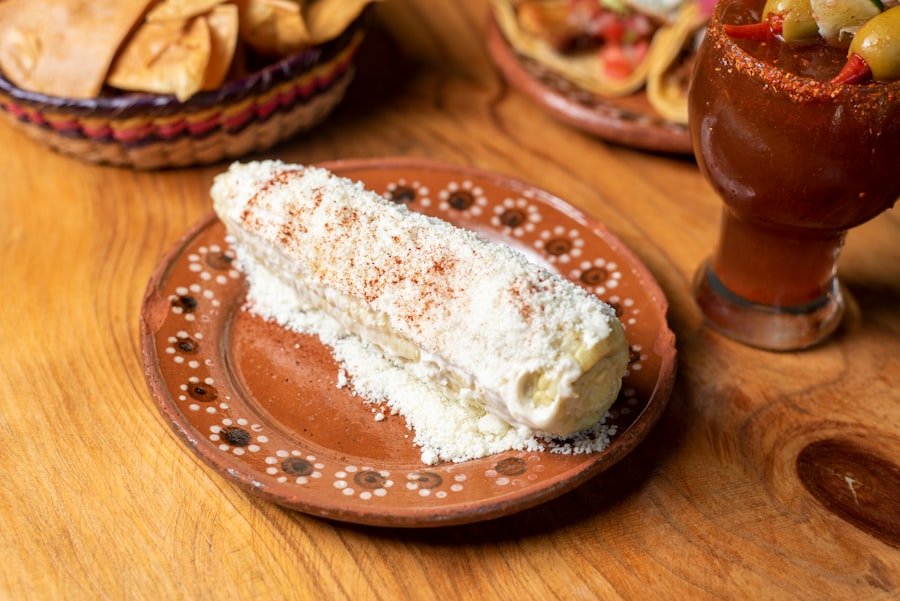
Mexican beverages are as diverse as its cuisine, offering refreshing options that complement meals or serve as standalone delights. Agua frescas are popular non-alcoholic drinks made from blending fruits with water and sugar. Flavors range from classic hibiscus (jamaica) to refreshing cucumber or tamarind.
These beverages are often enjoyed during hot summer days or at festive gatherings, providing a sweet respite from the heat. On the other end of the spectrum lies mezcal, a distilled spirit made from agave plants that has gained international acclaim for its complex flavors and artisanal production methods. Unlike tequila, which is made exclusively from blue agave, mezcal can be produced from various agave species, resulting in a wide range of flavor profiles influenced by factors such as terroir and production techniques.
Sipping mezcal straight or using it in cocktails allows enthusiasts to appreciate its smoky notes and earthy undertones while celebrating Mexico’s rich distilling heritage.
Celebrating Mexican Festivals and Food Traditions
Food plays a central role in Mexican festivals and celebrations, reflecting cultural values and community bonds. One of the most significant events is Día de los Muertos (Day of the Dead), where families honor their deceased loved ones with altars adorned with photographs, flowers, candles, and favorite foods of the departed. Traditional offerings often include pan de muerto (a sweet bread shaped like bones) and sugar skulls decorated with colorful icing.
Another important celebration is Cinco de Mayo, which commemorates the Battle of Puebla against French forces in 1862. While it has become widely recognized outside Mexico as a day to celebrate Mexican culture with food and festivities, it holds particular significance in Puebla where traditional dishes such as mole poblano are enjoyed alongside celebratory drinks like margaritas or aguas frescas. These festivals not only highlight Mexico’s culinary diversity but also serve as opportunities for communities to come together in celebration of their heritage.
Bringing the Flavors of Mexico into Your Own Kitchen
For those looking to recreate authentic Mexican flavors at home, understanding key ingredients and techniques is essential. Start by stocking your pantry with staples such as dried chiles (like ancho or guajillo), masa harina for making tortillas or tamales, canned beans for quick meals, and spices like cumin or oregano for seasoning. Fresh produce such as tomatoes, avocados, cilantro, and limes should also be readily available to enhance your dishes.
When it comes to cooking techniques, consider investing in traditional tools like a comal for tortilla-making or a molcajete for grinding spices into pastes or salsas. Experimenting with recipes that highlight regional specialties can also provide insight into Mexico’s culinary diversity; try your hand at making enchiladas with homemade mole sauce or preparing pozole using hominy and your choice of meat or vegetables. By embracing these ingredients and techniques in your kitchen, you can bring a taste of Mexico’s vibrant culinary heritage into your everyday meals while celebrating its rich history and cultural significance.
FAQs
What are the key flavors of Mexican cuisine?
Mexican cuisine is known for its bold and vibrant flavors, including the use of chili peppers, cumin, garlic, and a variety of fresh herbs and spices. Other key flavors include tangy citrus, smoky chipotle, and earthy cacao.
What are some popular dishes to try on a food trip in Mexico?
Some popular dishes to try on a food trip in Mexico include tacos al pastor, mole poblano, chiles en nogada, ceviche, tamales, and pozole. Each region of Mexico also has its own unique specialties to explore.
What are some traditional Mexican ingredients used in cooking?
Traditional Mexican ingredients used in cooking include corn, beans, avocados, tomatoes, tomatillos, various types of chili peppers, and a variety of fresh herbs such as cilantro and epazote. Mexican cuisine also makes use of a wide range of cheeses, including queso fresco and Oaxaca cheese.
What are some regional variations in Mexican cuisine?
Mexican cuisine varies by region, with coastal areas known for their seafood dishes, while inland regions are known for their use of meats such as pork and beef. Each region also has its own unique salsas, moles, and tamales, showcasing the diversity of Mexican cuisine.
What are some popular beverages to try in Mexico?
Some popular beverages to try in Mexico include horchata, agua frescas, micheladas, and of course, tequila and mezcal. Mexico is also known for its rich tradition of hot chocolate, often flavored with cinnamon and other spices.
Related Posts

Exploring Paris: Uncovering Hidden Food Gems Off the Beaten Path
Paris is often celebrated for its iconic landmarks, but the…
Delicious Must-Try Street Foods in Southeast Asia
Southeast Asia is a vibrant tapestry of cultures, traditions, and…