
Rice and grains are staples in many diets around the world, each variety offering unique flavors, textures, and nutritional profiles. Rice, for instance, can be broadly categorized into long-grain, medium-grain, and short-grain varieties. Long-grain rice, such as Basmati and Jasmine, is known for its slender grains that remain separate and fluffy when cooked.
Basmati rice, originating from the Indian subcontinent, has a distinctive aroma and is often used in pilafs and biryanis. Jasmine rice, hailing from Thailand, has a slightly sticky texture and a floral fragrance, making it ideal for pairing with Southeast Asian dishes. Medium-grain rice varieties like Arborio and Carnaroli are prized for their creamy texture when cooked.
Arborio rice is essential in risottos, where its high starch content contributes to the dish’s characteristic creaminess. Short-grain rice, such as sushi rice or glutinous rice, is sticky and clumps together when cooked, making it perfect for sushi rolls or desserts like mochi. Beyond rice, other grains like quinoa, barley, and farro offer diverse culinary possibilities.
Quinoa, a pseudo-grain rich in protein and fiber, has gained popularity as a health food. Barley, with its chewy texture and nutty flavor, is often used in soups and salads. Farro, an ancient grain with a robust flavor, is increasingly featured in Mediterranean cuisine.
Key Takeaways
- Different types of rice and grains require different cooking methods and have varying textures and flavors.
- Proper measurement and water ratio is crucial for achieving the perfect texture and consistency when cooking rice and grains.
- Preparing rice and grains for cooking involves rinsing, soaking, or toasting to enhance their flavor and texture.
- Cooking methods for rice and grains include boiling, steaming, and using a rice cooker or pressure cooker.
- Seasoning and flavoring options for rice and grains include using broth, herbs, spices, and aromatics to enhance their taste.
- Fluffing and resting techniques help to ensure that the cooked rice and grains have a light and fluffy texture.
- Storing cooked rice and grains properly is important to maintain their freshness and prevent them from spoiling.
- Troubleshooting common cooking issues such as mushy or undercooked rice involves adjusting the cooking time and water ratio.
Proper Measurement and Water Ratio
Achieving the perfect texture in rice and grains begins with accurate measurement and understanding the appropriate water-to-grain ratio. For most long-grain rice varieties, the standard ratio is typically 1 cup of rice to 2 cups of water. However, this can vary based on the specific type of rice being used.
For example, Basmati rice often requires a slightly lower water ratio of 1:1.5 due to its ability to absorb moisture efficiently while maintaining its fluffy texture. Conversely, short-grain rice may need a bit more water—around 1 cup of rice to 2.5 cups of water—to achieve the desired stickiness. When measuring grains, it’s essential to use a dry measuring cup for accuracy.
Additionally, rinsing rice before cooking can remove excess starch that may lead to overly sticky results. Rinsing also helps eliminate any impurities or debris that may be present. For grains like quinoa, the water ratio is generally 1:2 as well; however, it’s crucial to rinse quinoa thoroughly before cooking to remove saponins—natural compounds that can impart a bitter taste.
Understanding these nuances in measurement and water ratios is fundamental to mastering the art of cooking rice and grains.
Preparing Rice and Grains for Cooking
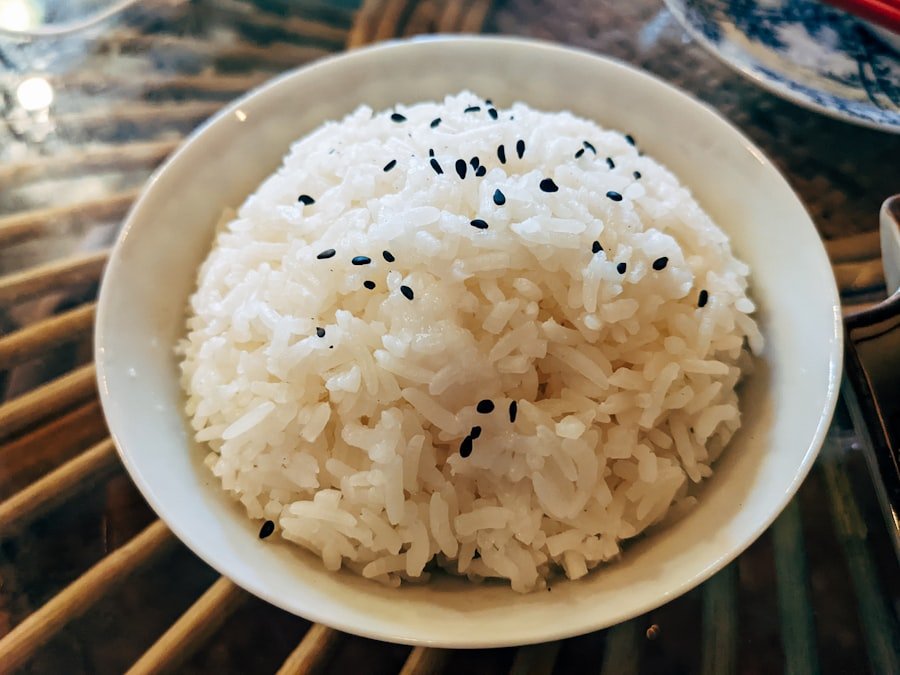
Preparation is key to ensuring that rice and grains cook evenly and achieve the desired texture. For most types of rice, rinsing is an essential step that should not be overlooked. Rinsing removes surface starches that can cause clumping and stickiness during cooking.
To rinse rice effectively, place it in a fine-mesh strainer or bowl and run cold water over it until the water runs clear. This process not only cleans the rice but also helps improve the final texture. For whole grains like barley or farro, soaking can enhance their cooking process by reducing cooking time and improving digestibility.
Soaking grains for several hours or overnight allows them to absorb some water, which can lead to a more tender final product. After soaking, it’s important to drain the grains before cooking them in fresh water. This preparation step is particularly beneficial for tougher grains that require longer cooking times.
Additionally, toasting grains in a dry skillet before cooking can enhance their nutty flavors and add depth to dishes.
Cooking Methods for Rice and Grains
| Cooking Method | Time | Water Ratio | Additional Notes |
|---|---|---|---|
| Boiling | 15-20 minutes | 1:2 (rice to water) | Simple and common method |
| Steaming | Varies | Varies | Retains nutrients and texture |
| Pressure Cooking | Varies | Varies | Quick and efficient method |
| Microwaving | Varies | Varies | Fast and convenient |
There are several methods for cooking rice and grains, each yielding different results based on the desired outcome. The most common method is the absorption method, where rice or grains are cooked in a measured amount of water until all the liquid is absorbed. This technique works well for most types of rice and is straightforward: bring the water to a boil, add the rinsed rice or grains, reduce the heat to low, cover with a lid, and let simmer until done.
Another popular method is the pilaf technique, which involves sautéing the grains in oil or butter before adding liquid. This method enhances flavor by allowing the grains to toast slightly before absorbing moisture. It’s particularly effective for long-grain varieties like Basmati or Jasmine rice.
For those looking for convenience, using a rice cooker can simplify the process significantly; these appliances automatically adjust cooking times and temperatures to ensure perfectly cooked rice every time. For whole grains like quinoa or barley, boiling in a pot of salted water until tender is often preferred. This method allows for greater control over texture since you can taste the grains periodically to check for doneness.
Once cooked, draining any excess water is crucial to prevent sogginess. Additionally, steaming is another effective method for cooking certain types of rice and grains; this technique preserves nutrients while producing fluffy results.
Seasoning and Flavoring Options
Seasoning plays a pivotal role in elevating the flavor profile of rice and grains. While plain rice can serve as a blank canvas for various dishes, incorporating seasonings during cooking can enhance its taste significantly. For instance, adding a pinch of salt to the cooking water is a simple yet effective way to infuse flavor right from the start.
Additionally, using broth instead of water can impart rich flavors; chicken or vegetable broth can transform plain rice into a savory side dish. Herbs and spices can also be introduced during cooking for added depth. Bay leaves, garlic cloves, or fresh herbs like thyme or rosemary can be added to the pot while cooking to infuse aromatic flavors into the grains.
After cooking, consider tossing the finished product with fresh herbs like parsley or cilantro for brightness. For those who enjoy a bit of heat, adding chili flakes or diced jalapeños can create an exciting contrast. In addition to traditional seasonings, experimenting with sauces can further enhance dishes made with rice or grains.
A drizzle of soy sauce or teriyaki sauce can complement Asian-inspired meals beautifully. For Mediterranean dishes, olive oil combined with lemon juice creates a refreshing dressing that pairs well with farro or barley salads. The versatility of rice and grains allows for endless possibilities when it comes to flavoring.
Fluffing and Resting Techniques
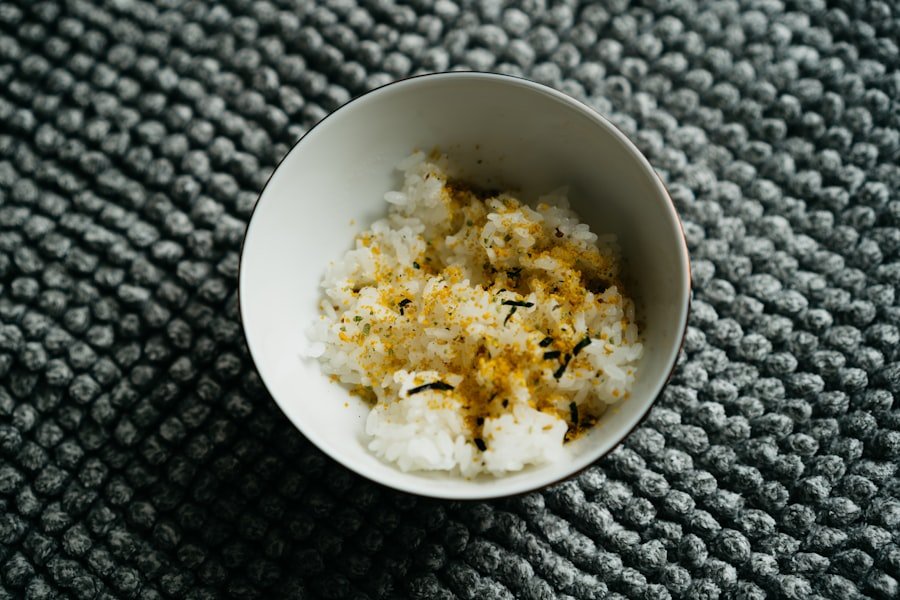
Once your rice or grains are cooked, proper handling is essential to achieve the perfect texture. Fluffing is a technique that involves gently separating the grains using a fork or spatula after they have finished cooking. This step helps release steam trapped within the grains and prevents them from becoming gummy or clumped together.
It’s important to wait a few minutes after removing the pot from heat before fluffing; this resting period allows residual steam to continue cooking the grains gently. Resting cooked rice or grains also allows flavors to meld together more effectively. Covering the pot with a lid during this resting phase helps retain heat while preventing moisture loss.
For best results, let them rest for about 5-10 minutes before fluffing and serving. This technique is particularly beneficial for pilafs or seasoned rice dishes where flavors need time to develop fully. In some cases, if you find your cooked rice or grains are still too sticky after fluffing, you can spread them out on a baking sheet to cool slightly before serving.
This method allows excess moisture to evaporate while maintaining an appealing texture.
Storing Cooked Rice and Grains
Proper storage of cooked rice and grains is crucial for maintaining their quality and safety for future meals. Once cooked, it’s important to cool them down quickly if they are not being consumed immediately; this helps prevent bacterial growth that can occur at room temperature. Spreading cooked rice or grains on a baking sheet in a thin layer allows them to cool rapidly.
Once cooled, transfer the rice or grains into airtight containers for storage in the refrigerator. Cooked rice typically lasts about 4-6 days when stored properly in the fridge; however, it’s essential to check for any signs of spoilage before consuming leftovers. If you want to extend their shelf life further, consider freezing cooked rice or grains in portion-sized bags or containers.
When frozen correctly, they can last up to six months without significant loss of quality. When reheating stored rice or grains, adding a splash of water can help restore moisture lost during storage. Using a microwave with a cover or reheating on the stovetop with low heat ensures even warming without drying out the dish.
Troubleshooting Common Cooking Issues
Even experienced cooks encounter challenges when preparing rice and grains; understanding common issues can help troubleshoot effectively. One frequent problem is undercooked rice or grains that remain hard in the center despite following instructions closely. This issue often arises from insufficient water or heat during cooking; adding more water and continuing to cook on low heat can remedy this situation.
Conversely, overcooked rice may become mushy or gummy due to excessive water or prolonged cooking times. If you find yourself with overcooked grains, consider repurposing them into dishes like risotto or fritters where texture isn’t as critical. Another common issue is sticking; if your rice clumps together during cooking despite rinsing beforehand, it may be due to using too much water or not fluffing properly after cooking.
To prevent sticking in future preparations, ensure accurate measurements and consider using oil or butter during cooking. By understanding these common pitfalls and employing effective techniques throughout each stage of preparation and cooking, anyone can master the art of preparing delicious rice and grains that complement any meal beautifully.
FAQs
What are some general tips for cooking rice and grains perfectly every time?
Some general tips for cooking rice and grains perfectly every time include rinsing the grains before cooking, using the correct ratio of water to grains, and allowing the grains to rest after cooking.
Why is it important to rinse rice and grains before cooking?
Rinsing rice and grains before cooking helps to remove excess starch and any impurities, resulting in fluffier and more evenly cooked grains.
What is the ideal water to grain ratio for cooking rice and grains?
The ideal water to grain ratio for cooking rice and grains varies depending on the type of grain being cooked. However, a common ratio is 1 part grain to 2 parts water for most types of rice.
Why is it important to let rice and grains rest after cooking?
Letting rice and grains rest after cooking allows the steam to redistribute evenly throughout the grains, resulting in a more uniform texture and better overall flavor.
What are some common mistakes to avoid when cooking rice and grains?
Common mistakes to avoid when cooking rice and grains include using too much or too little water, not rinsing the grains before cooking, and not allowing the grains to rest after cooking.
Related Posts
Create Your Own Homemade Spice Blends
Creating your own spice blends offers a multitude of benefits…

The Best Cooking Oils for Health and Flavor
Every kitchen needs cooking oils. They have an influence on…